You don’t struggle because you’re not trying.
You struggle because your brain runs in cycles, not straight lines. You swing between hyperfocus and overwhelm - bouncing from “I’ve got this” to “everything is on fire,” and then back again.
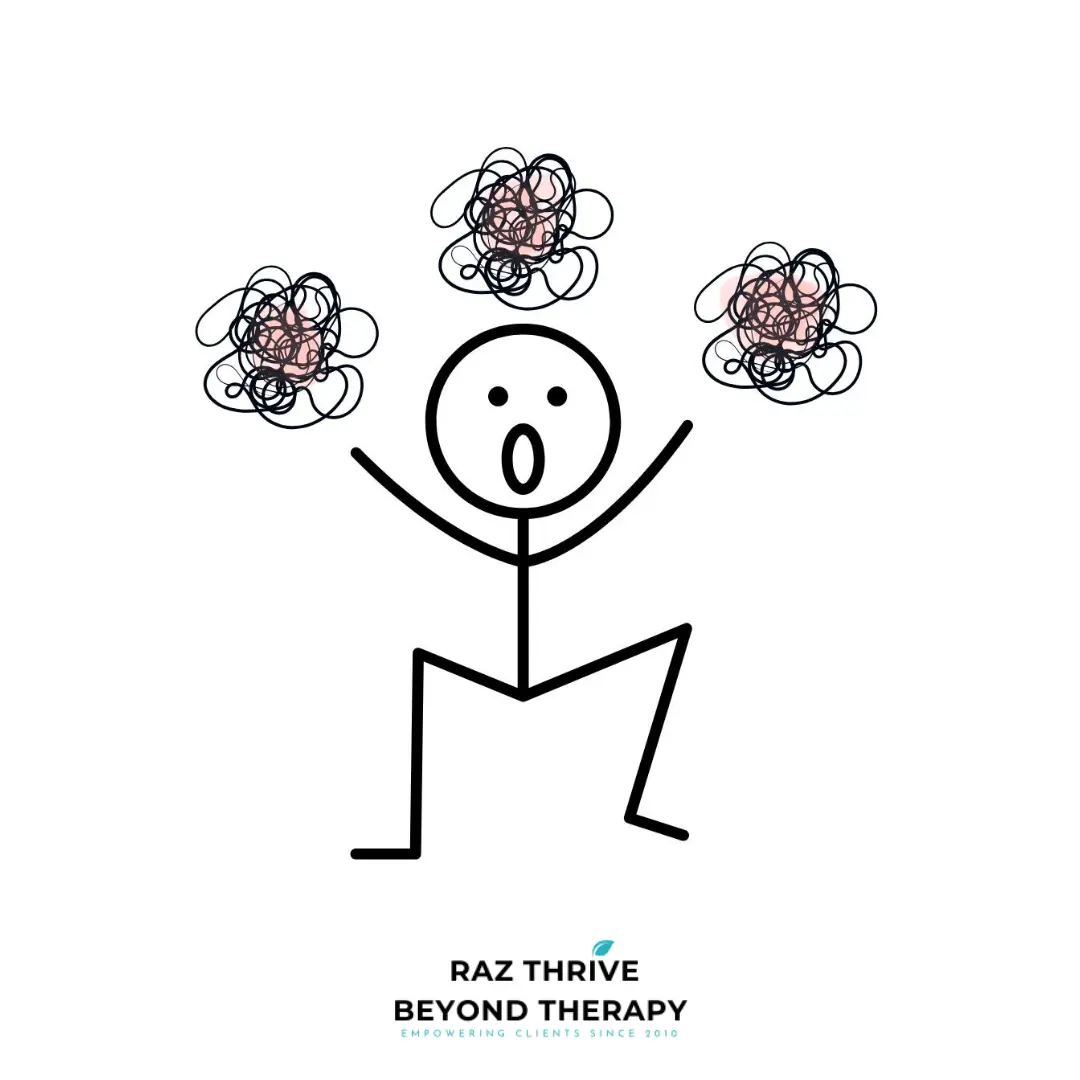
You struggle because your brain runs in cycles, not straight lines. You swing between hyperfocus and overwhelm - bouncing from “I’ve got this” to “everything is on fire,” and then back again.
You may have internalized the belief that you’re a mess, unreliable, or always “creating your own chaos,” but the truth is that your intentions are good - your brain just shifts faster than your systems can keep up.
When something clicks, you’re incredibly adaptive - you can shift gears quickly, think creatively under pressure, and move faster than most people when your momentum is right. When you tackle something, you go all in.
Chaos Cyclers actually get more overwhelmed when they try to follow rigid routines, use traditional planners, strict schedules, or “just stay consistent” advice - those systems collapse the moment life gets busy, and your brain snaps right back into the cycle.
✦If you want strategies that help stabilize your cycle instead of restarting it, you can request your Chaos Cycler Guide here.✦
No cost or commitment - just strategies that actually help
Chaos cycling often starts with a reset of peace and calm -
You clean everything up, get organized, and feel like you finally have a handle on things.
For a moment, it feels good.
Calm, manageable, in control. You’ll keep up with it now.
But life keeps happening.
A few things get set down “just for now.”
A task gets interrupted.
A pile forms in the corner. Nothing crazy - just small things you’ll get tomorrow.
Tomorrow comes, and you’re already behind.
The small thing becomes a bigger one, and suddenly everything feels out of control again.
What looks like inconsistency is really just how your nervous system moves between focus and overwhelm. You may feel messy or irresponsible, but your brain actually works in bursts, not steady flows.
When you understand where the whirlwind creeps in, you can build rhythms that fit the way your brain moves instead of blaming yourself for the cycle.
Based on what you selected, although it probably often feels like it, it really isn’t a motivation problem. You’re struggling with activation - that moment where your brain is supposed to shift from intention into action.
It’s an executive function pattern, and it has a predictable cycle:
The more they repeat, the more your brain wires itself to expect them - which makes the cycle stronger, faster, and harder to break.
The key: understand the pattern, then you can interrupt it instead of getting swept back into it.
If you want help understanding the way your pattern responds, you can get personalized strategies based on your result.
Even when you’re trying your best, this pattern quietly chips away at the parts of your life that matter most - and hides strengths you don’t even realize or remember you have.
You may already be experiencing it with:
Even when things feel chaotic or inconsistent, your brain has strengths that get buried under stress, burnout, or years of feeling “behind.” These strengths are real - and they’re often the exact abilities that help you thrive once the friction is reduced.
The part we all forget when we're struggling:
Your strengths haven’t disappeared.
When your brain is stuck in overwhelm, avoidance, shutdown, or burnout, these strengths get misdirected into survival mode instead of forward movement.
when something clicks, you can make more progress in an hour than most people make in a day
your brain makes connections others don’t see, especially under pressure.
you notice nuance, tone, and unspoken needs; you care deeply.
you can pivot fast and find new paths when things change suddenly.
you’ve been pushing through challenges most people never see.
even if starting is hard, your brain naturally sees structure and patterns.
They’ve just been buried under a pattern that keeps pulling your energy in the wrong direction.
Once the friction is reduced, these strengths become the foundation for real momentum.
Why the usual advice hasn’t worked for you
But underneath, each one has a completely different activation need, emotional load, and brain‑based starting point.
That’s why generic “procrastination hacks” don’t stick.
They’re treating the surface behavior, not the root pattern driving it.
You’re not failing at the strategies.
The strategies were never designed for your brain.
Your brain doesn’t work that way - and that’s not a flaw. (Even if you feel that way some days, it isn't.)
It just means you need tools built for the way your brain actually starts, sustains, and finishes tasks.
Real change happens when you understand the underlying pattern beneath the struggle.
Once you know what your brain is really trying to do - protect you, regulate you, activate you, or keep you safe - then you can build strategies that work from the inside out, not the outside in.
This is where we work together.
We help you:
The shift happens from understanding how your brain actually works.
If you want help building strategies that match your brain, you can explore your next steps.
And once you have the right ones, everything changes
The good news?
Activation can be learned.
Your brain isn’t stuck this way. (Even if you've lost hope)
With the right tools, your brain can:

This is exactly what coaching is designed for: helping your brain shift out of survival mode and into sustainable action.
If you’re ready to work with your brain instead of fighting it, we can walk you through exactly how to:
❂ work with your brain - not struggling against it
❂ build systems that actually stick - because they are built for you
❂ put you back in control - and not always feel like you're trying to recover
No pressure, no commitment - just understanding and support.




Serving clients and providers since 2010.
© 2026 All rights reserved.