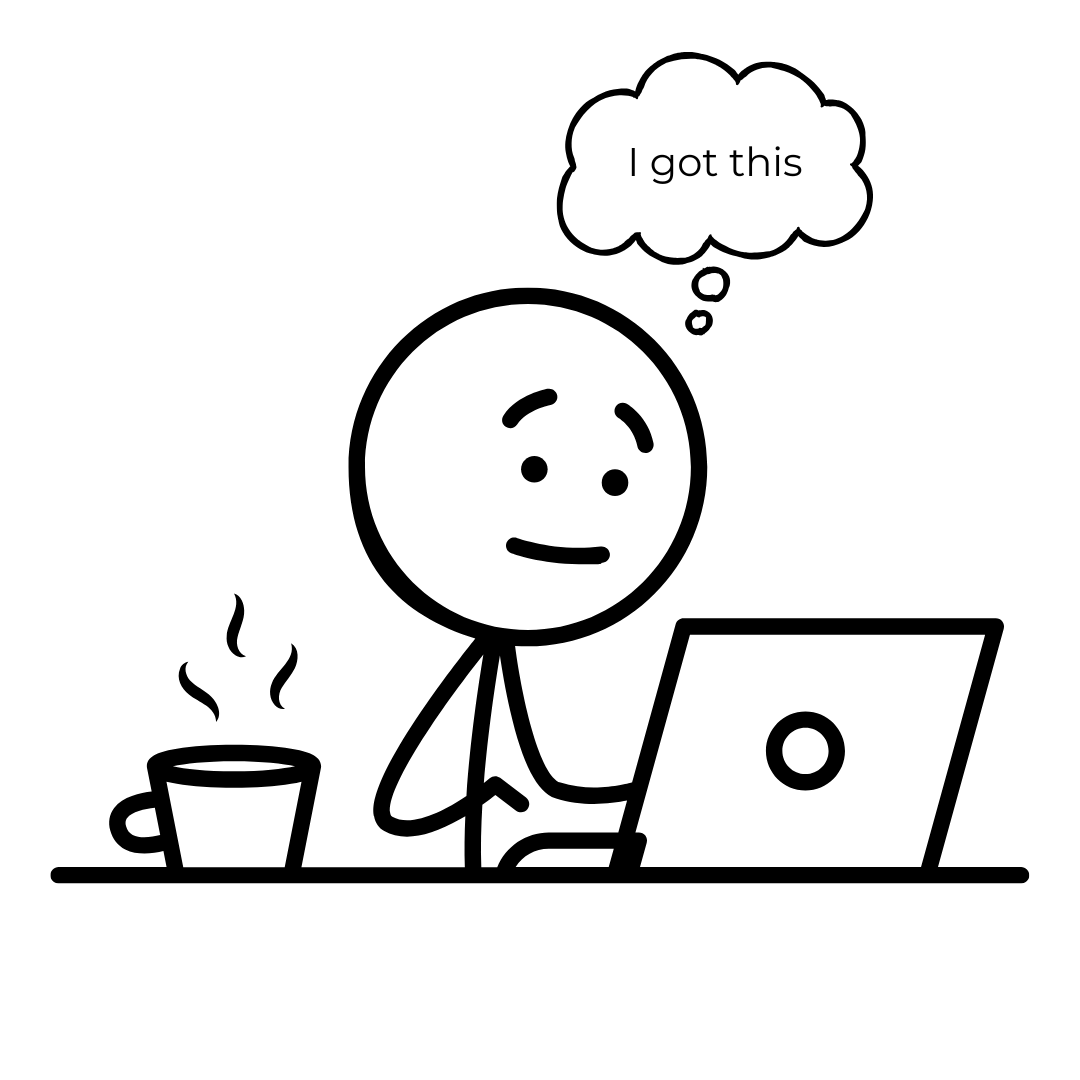
You tell yourself you’ll start early this time - you remember the anxiety and stress the last time you waited too long. You don’t want that again.
But none of the tasks are urgent today.
Nothing needs you right now.
And today you’re busy, or tired, or pulled into something else.
So, you tell yourself, I’ll start tomorrow. That’s still early.
Then tomorrow comes, and the tasks still don’t feel like “now.”
Your internal clock only registers, “now” and those are “later”
You tell yourself you’ll start soon - there’s still plenty of time.
Days blur.
The plan fades.
And the list stays untouched until suddenly the deadline is now.
Your system suddenly snaps awake and the adrenaline hits. You’re sprinting again, wondering how you ended up back in the same last‑minute panic after trying so hard not to.
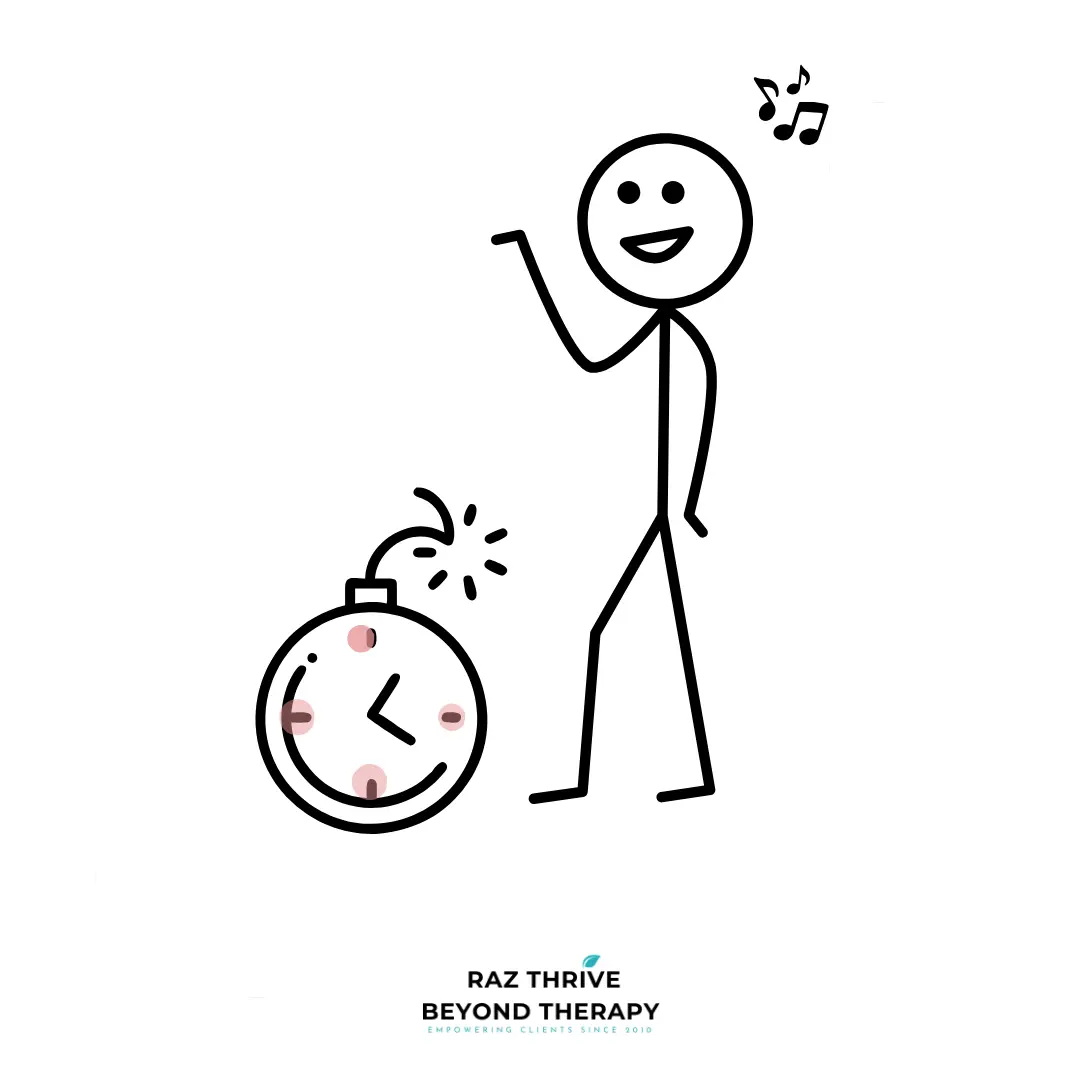
What looks like procrastination is really your brain not feeling time until the moment becomes impossible to ignore.
When you understand why your intentions dissolve without urgency, you can build cues that make time visible sooner, so you can start before the panic sprint takes over.